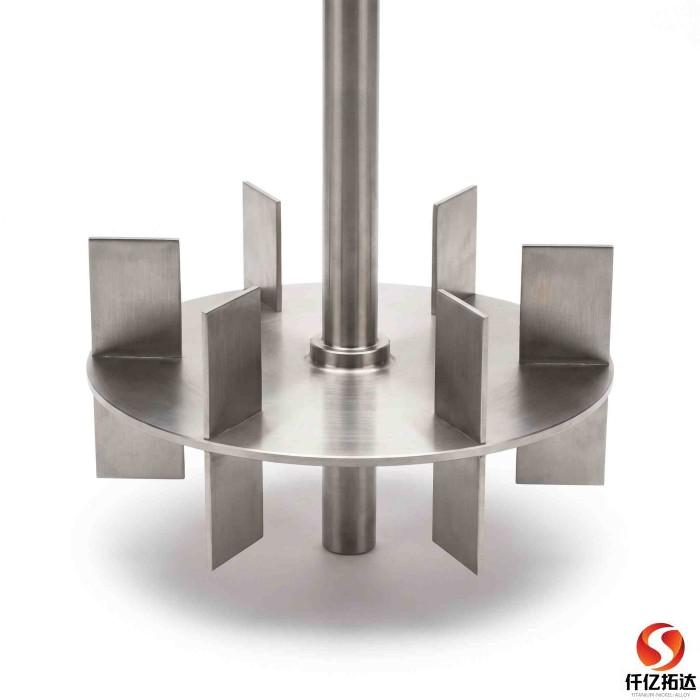
Zirconium Welding & Fabrication Guide
| Specification | Topic: Zirconium Welding & Fabrication |
|---|---|
| Applicable Standard | Covers: GTAW, argon purge, contamination, cleaning, filler, inspection |
| Material Condition | Standard: ASTM B551/B523/B493, ASME IX WPS/PQR |
| Inspection & Packaging | Service: tube/pipe weld, plate shell, clad overlay, field repair |
Product Description: Zirconium welding & fabrication guide: GTAW purge rules, contamination control, post-weld cleaning, Zr702/Zr705 filler, ASTM B551/B493
Product Overview
Zirconium Welding & Fabrication Guide
Zirconium welds cleanly and durably with GTAW using a matching filler and a strict argon purge on BOTH sides of the joint — but it is unforgiving. Any oxygen, nitrogen or surface contamination picked up during welding produces a hard, brittle, fast-corroding seam, and the single most common field failure is a tube or pipe weld made without backing gas. The numbers that matter: keep the work below about 540°C in air (finely divided or hot zirconium can ignite above roughly 800°C), hold the purge oxygen below about 50 ppm (a hand-held meter confirms it), and keep the joint and wire surgically clean. Do those three and a zirconium fabrication outlasts the plant; skip any one and you buy a recall. We machine, form and weld Zr702 / Zr705 in Baoji under a qualified ASME IX WPS with full traceability, so your HCl loop or sulfuric line lands ready to run. This guide gives the purge rule, the contamination traps, filler choice, inspection, and exactly where a zirconium weld must not be attempted — plus a 5-minute RFQ you can send today.
For the alloy picture across zirconium, titanium and nickel, see our materials matrix; if the service is reducing acid but milder, our titanium guide explains the cheaper option.
At a Glance: Zirconium Welding & Fabrication Guide
| Item | Zirconium / detail | Note |
|---|---|---|
| Process | GTAW (TIG), DCEN, matching filler | NO SMAW/MIG for corrosion service |
| Shielding gas | Pure argon, both sides of joint | Trailing + backing purge mandatory |
| Surface prep | Pickled + scratch-brushed, oxide-free | Steel tools contaminate — use Zr/Ti tools |
| Interpass temp | Keep cool; below ~540°C in air | Above ~800°C in air: can burn |
| Filler | ERZr2 (for Zr702) / ERZr4 (for Zr705) | Match grade to base metal |
| Post-weld | Pickle / bright-anneal if discoloured | Straw colour = still OK; blue/grey = reject |
| Inspection | PT + RT/UT per code; ferrite-free | Confirm no hydride / oxide stringers |
| Forms weldable | Plate, tube, pipe, bar, fittings | All stocked and cut in Baoji |
1. What 锆焊接与制造工艺指南 Actually Means
Zirconium is a reactive metal with an extreme affinity for oxygen and nitrogen at welding temperature. Its protective film is zirconia (ZrO₂), which reforms instantly in service — but is destroyed by a contaminated weld. That is the entire story in one sentence: weld it inside a pure argon envelope and it is one of the most reliable corrosion metals on earth; weld it in air or on a dirty joint and the weld zone picks up O/N, hardens, and corrodes or cracks. The trap is that the damage is invisible: a weld can look sound yet hide oxygen pickup that only appears as a brittle, leaking root months later, which is exactly why the purge is procedure, not theatre. We treat every zirconium grade as one system where forming, welding and cleaning share a single procedure, so a shell, tube bundle and bar-made shaft stay consistent from melt to machine.
The Argon Purge, Quantified
A purge that is “good enough” is not good enough with zirconium. The practical envelope we weld to: argon of at least 99.999% purity on both the root and the face; a backing-gas oxygen reading held below about 50 ppm (many shops target below 20 ppm on critical root passes), confirmed with a hand-held oxygen meter rather than guessed; and a trailing shield delivering a steady blanket over the hot zone as the arc moves. For tube and pipe, flow enough argon to make several volume changes of the enclosed cavity before striking the arc, then maintain it until the seam is below the oxidation temperature. A straw-coloured heat tint on the finished weld means the envelope held; blue or grey means it did not and the seam must be pickled or rejected. None of this is expensive — a meter, a trailing shield and disciplined gas flow cost far less than a failed weld — but it is non-negotiable, and it is the difference between a seam that lasts 20 years and one that recalls a shipment.
2. Grade Quick-Reference
| Grade | Composition | Use it for |
|---|---|---|
| Zr702 (R60702) | ERZr2 filler | Max formability; easiest to weld, lowest O pickup risk |
| Zr705 (R60705) | ERZr4 filler | +2.5% Nb; higher strength, same weld method |
| Filler rule | Match UNS to base | Never downgrade filler; over-alloy is safer |
| Cross-check | — | See zirconium grade notes for chemistry |
For full grade chemistry see our zirconium grade notes.
3. How to Read the RFQ
A usable quote starts with a usable request. Put these on the enquiry so we return price and lead time instead of questions:
- Drawing & spec — fabrication drawing, ASME / EN code, dimensional tolerance.
- Base metal — Zr702 or Zr705, with heat number and MTC.
- Weld procedure — provide WPS or ask us to qualify one (ASME IX).
- Filler — ERZr2 / ERZr4, or “recommend”.
- Purge plan — confirm both-side argon backing for tube/pipe.
- Inspection — PT / RT / UT level required.
- Finish — pickle, bright-anneal, or as-welded with colour limit.
- Certificate pack — WPS, PQR, welder record, MTC, NDE report.
4. Forms, Sizes & What to Specify
| Form | Typical size | Where it goes |
|---|---|---|
| Plate / shell | Roll + long-seam weld | Reactor / column shells, tube sheets |
| Tube / pipe | Orbital GTAW, backing purge | HCl / sulfuric bundles, transfer lines |
| Bar / shaft | Machined, sometimes weld-repaired | Agitators, spargers, nozzles |
| Fittings / flange | Forged + welded branch | Termination, branch, turn of the loop |
Forming matters as much as welding: zirconium work-hardens slowly and springs back, so roll shells with the right mandrel and bend tube within the minimum radius to avoid surface cracking. We cut plate and tube to size in Baoji and can pre-form shells and pre-bend tube so your shop only makes the final seam — fewer opportunities for contamination, faster to service.
5. Standard & Certification You Receive
Every fabrication ships with a full certificate pack: the EN 10204 3.1 MTC for the base metal (grade, UNS, heat number, chemistry incl. hafnium, tensile), the qualified WPS and PQR to ASME IX, the welder qualification record, and the NDE report (PT / RT / UT as specified). We keep the heat number on every piece — it is your traceability link from the finished weld back to the melt, and what lets an auditor confirm grade years later.
6. The “One Metal Solves Everything” Myth
Zirconium does NOT weld like stainless steel. The two metals share GTAW as a process, but zirconium’s oxygen affinity means a stainless-style weld with a trailing shield only is a failure waiting to happen — you need backing gas on both sides and a contaminant-free joint. For the metal choice behind the weld, see our zirconium vs Hastelloy and zirconium vs titanium guides; for a cheaper weld where the medium allows, our titanium guide covers the alternative.
7. When a Zirconium Weld Fails — the Seven Traps
Zirconium’s strength is its reducing-acid film; its limits sit exactly where that film breaks down. Read the failure map, then the joint notes.
| Medium / condition | What fails / the limit | Use instead / action |
|---|---|---|
| No backing purge (tube/pipe) | Root oxidises, turns brittle & grey, corrodes fast | Argon backing on BOTH sides; verify with a purge monitor |
| Surface contamination (oil, steel, oxide) | Hard, cracked, porous weld | Pickle + scratch-brush; Zr/Ti-only tools; no steel contact |
| Air exposure above ~540°C | Embrittlement; finely divided Zr can burn >~800°C | Keep interpass cool; never let hot Zr see air |
| Wrong / downgraded filler | Galvanic or strength mismatch at the seam | ERZr2 for Zr702, ERZr4 for Zr705; match UNS |
| Fluoride near the joint | Rapid attack at the heat-affected zone | Keep fluoride (HF, F⁻) far from weld and pickling |
| Skipped post-weld clean | Discoloured (blue/grey) zone corrodes | Pickle or bright-anneal; reject blue/grey |
| No NDE on a pressure weld | Hidden lack-of-fusion / crack leaks later | PT + RT/UT per code; keep welder record |
The pattern behind every trap is the same: zirconium’s film is self-healing in service but cannot form during welding unless the metal is bathed in pure argon. A weld that looks sound can hide oxygen pickup that only shows as a brittle, corroding root months later, so the purge is not optional theatre — it is the difference between a 20-year seam and a recall. Treat every joint as a system: parent metal, filler, gas, tooling and inspection either all meet the envelope or the whole weld does not.
8. Choose by Service, Not by Habit
Choose this if:
- You have a qualified WPS and clean shop → weld in-house with our filler and note.
- The part is non-pressure, thin, and accessible → a careful GTAW with double purge is fine.
- You want us to supply cut blanks + WPS only → we kit and advise.
- Service is reducing acid (HCl / H2SO4) → see HCl / sulfuric envelopes first.
Choose that if:
- The part is a pressure vessel or code weld → let us fabricate with ASME IX PQR.
- You lack a double-purge or NDE capability → send the drawing; we weld and inspect.
- The medium is fluoride / hot caustic / oxidiser → nickel / Hastelloy instead.
- Lead time beats in-house learning curve → one Baoji shipment, one cert pack.
In practice most buyers do not need to choose at all — they need a part that arrives ready. If you have a qualified WPS, a double-purge rig and NDE on site, weld in-house with our cut blanks and filler; if any of those are missing, send the drawing and we fabricate under ASME IX with full certification. The question is rarely “can we weld it” and almost always “who can certify it.”
9. Common Procurement Mistakes
- Welding tube without backing gas — the classic brittle-root failure; always purge both sides.
- Using steel wire brushes or tools on the joint — iron contaminates and pits.
- Assuming a stainless WPS transfers — it does not; zirconium needs its own qualified procedure.
- Letting the hot weld see air — embrittlement and, at high temp, fire risk.
- Forgetting fluoride exclusion — confirm the pickling and medium are fluoride-free.
10. Lead Time, MOQ & Export Packing
Zirconium is held in Baoji across plate, tube, bar, wire, fittings and flange, cut to size and dispatched fast for standard sizes. Heavy-wall tube, large forged flange or special tempers lead a few weeks. Small MOQ applies — a single plate, one spool or a set of flanges is a normal order, and we kit the whole line from one shipment with one certificate pack.
11. When NOT to Field-Weld Zirconium
| If the service is… | Then… |
|---|---|
| Medium is HF / fluoride | Monel 400 / pure nickel instead; zirconium fails. |
| Concentrated hot caustic | Ni200 / Ni201; zirconium is attacked. |
| Strong oxidiser present | Hastelloy C-276 / C-22; zirconium may be wrong. |
| No purge / NDE capability | Have us fabricate; a rejected weld costs more than the part. |
| You need many metals in one line | See our alloy matrix for the split. |
Where these metals actually go: Zirconium weldments build HCl-recovery units, sulfuric-acid concentrators, acetic and formic acid plants, heat-exchanger bundles and zirconium-vs-titanium hybrid lines where each metal covers the part it does best. We also supply the full nickel family and titanium so a corrosion line can be split by fluid — zirconium for the worst reducing acid, titanium or nickel where budget or medium dictates, and Hastelloy where an oxidiser appears. Tell us the service and we return the split, not a single metal forced across every stream.
12. Welding & Joining Note
The procedure in one paragraph: GTAW, DCEN, pure argon. Purge the inside of tube and pipe with argon (typically a few volume changes, verified by an oxygen meter below ~50 ppm) AND run a trailing shield on the face. Keep the joint and filler pickled and scratch-brushed, use only zirconium or titanium tools, and never let the hot metal see air. Match the filler to the base (ERZr2 for Zr702, ERZr4 for Zr705). After welding, a straw-coloured heat tint is acceptable; blue or grey means reject and re-pickle or bright-anneal. We supply the matching wire and a qualified WPS note so your shop or ours lands a clean, ductile, long-lived seam.
13. Reading the Mill Test Certificate
Every lot and every weld ships with an EN 10204 3.1 pack: base-metal grade and UNS, heat number, chemistry (including hafnium), tensile, the qualified WPS and PQR, welder record, and the NDE report. Keep the heat number — it is your traceability link from the finished weld back to the melt, and the one field an auditor will ask for first.
14. Why a Baoji Titanium-Valley Stockist
We hold zirconium with titanium and nickel in Baoji, close to China’s Titanium Valley supply base, so we can cut, form, weld and inspect a corrosion fabrication from one shipment instead of chasing several mills. That shortens lead time from mill-weeks to days and keeps one grade logic, one WPS, one certificate pack and one point of contact. Our guide explains the stock-holder model for overseas buyers.
Why Source This From Us
Most overseas buyers do not need to learn zirconium welding; they need a part that arrives certified and ready. That is what we deliver from Baoji, at the edge of China’s Titanium Valley supply base:
- Cut-to-size and zero-cut: we hold zirconium with titanium and nickel / Hastelloy in stock and cut to your exact drawing — one plate, one spool or a full set is a normal order, no mill minimum.
- We read your drawing: send the fabrication or P&ID; we return material spec, WPS recommendation and a quote, not a list of questions.
- Standards we work to: ASTM B551 / B523 / B493 and ASME IX for weld procedure (WPS / PQR), with EN 10204 3.1 MTC and full NDE as specified.
- One shipment, one certificate pack: base metal, filler, WPS, PQR, welder record and NDE report travel together, heat-number traceable to the melt.
- Export-ready: VCI protection, seaworthy crating and the shipping documents your customs needs, to global ports.
- Fast where it counts: stock sizes dispatch the same day; fabricated items ship on a firm lead time we quote up front.
If your medium is reducing acid, start with our HCl or sulfuric envelope guides, then send the RFQ below — we confirm stock and pricing within 24 hours.
15. A 5-Minute RFQ Template
Copy this into your enquiry and fill the blanks — it returns a quote, not a guessing game:
- Product: Zirconium Welding & Fabrication Guide, grade ___
- Weld: GTAW, double argon purge, ERZr2/ERZr4 ___
- Code: ASME VIII / EN 13445 / other ___
- NDE: PT / RT / UT level ___
- Spec: ___ (ASTM / ASME)
- Size: ___ ; quantity ___
- Condition / finish: ___
- Certificate: EN 10204 3.1, UT/PMT if needed
- Destination & packing: port ___, VCI / crate
Email it to [email protected], or use our inquiry form. We confirm stock and pricing within 24 hours; stock sizes can dispatch the same day, and fabricated items ship on a firm lead time we quote up front. Either way the whole line is kitted from one Baoji shipment so grade and certificate stay consistent end to end.
16. FAQ — Zirconium Welding & Fabrication Guide
Can zirconium be welded like stainless steel?
No. Both use GTAW, but zirconium has a far higher oxygen affinity, so a stainless-style weld with only a trailing shield fails. You need argon backing gas on both sides of the joint and a contaminant-free surface, or the weld turns brittle and corrodes.
Why is argon backing required on both sides?
The root face of a tube or pipe weld oxidises instantly in air at welding temperature, producing a hard, grey, brittle seam that corrodes rapidly. Purging the inside with argon (verified by an oxygen meter) and shielding the face keeps the whole weld in a pure envelope.
What filler do I use for Zr702 and Zr705?
Use ERZr2 filler for Zr702 and ERZr4 filler for Zr705, matching the base-metal UNS. Never downgrade the filler; matching or slightly over-alloying is the safe choice.
What weld colour is acceptable?
A straw-coloured heat tint is acceptable. Blue or grey discolouration means the weld picked up oxygen and must be pickled or bright-annealed, and rejected if it stays grey.
At what temperature does zirconium become dangerous?
Keep the work below about 540°C in air during fabrication. Finely divided or bulk zirconium can ignite and burn in air above roughly 800°C, so never let hot zirconium see air and keep interpass temperatures low.
Can zirconium be field-welded?
Only with a proper double-purge and clean procedure and NDE. For pressure or code welds, have it fabricated under a qualified WPS with PQR and inspection; a rejected field weld costs more than the part.
Do you fabricate and export zirconium weldments worldwide?
Yes. We machine, form, weld and inspect Zr702 / Zr705 in Baoji with full WPS / PQR / MTC / NDE packs, to global ports with VCI protection and crating.
Summary: One Rule Beats a Catalogue
If you take one thing from this guide, take this: specify the metal for the fluid, not just the word “corrosion-resistant,” and treat every joint as a system. Zirconium Welding & Fabrication Guide covers how to weld and fabricate zirconium without a brittle joint, and it should never be specified where the failure map says no. The fastest next step is concrete: copy the RFQ template above, or open our inquiry form, and send your medium, concentration, temperature and drawing. We confirm stock and pricing within 24 hours — stock sizes dispatch the same day.
Tell us your requirement — grade, size and quantity. We reply within 24 hours.
Prefer chat? WhatsApp +86 188 2967 9311 or email [email protected].


- Titanium Price Today (17 Nov 2026): Plate, Tube, Rod, Wire
- Titanium Prices 13 Nov 2026: Plate, Tube, Rod, Wire, Sponge
- Titanium Price Today (11 Nov 2026): Plate, Tube, Rod & Wire
- Titanium Price Today (9 Nov 2026): Plate, Tube, Rod & Wire
- What is Titanium Flange | ASME B16.5 ASTM B381 Gr2 Gr5 Titanium Flan
Contact Person: Wang Xiaoning
Tel: +86-917-355-7966
Email: [email protected]
WhatsApp: +86 188 2967 9311
Company: Shaanxi Qianyi Tuoda Technology Co., Ltd
Address: Floor 4, Building 4, No. 188 Gaoxin Avenue, High-tech Zone, Baoji City, Shaanxi Province, China