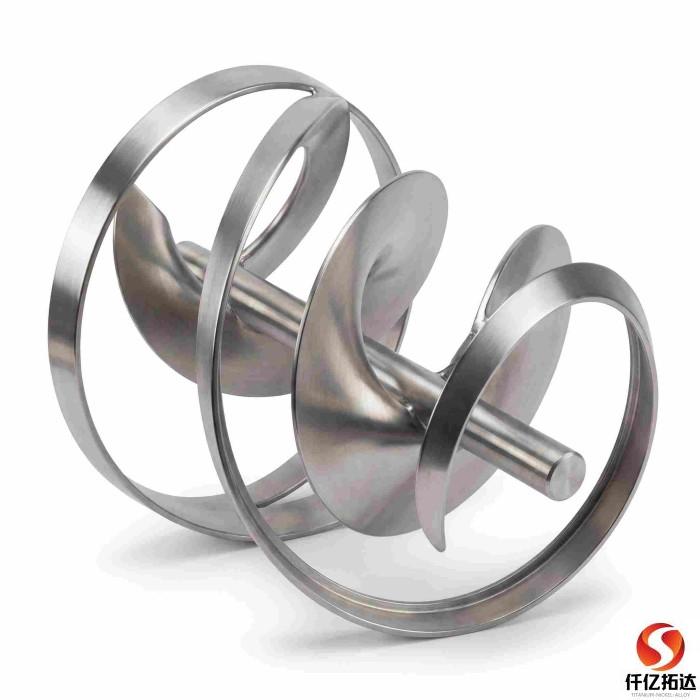
Zirconium vs Hastelloy C-276 / C-22
| Specification | Topic: Zirconium vs Hastelloy C-276 / C-22 |
|---|---|
| Applicable Standard | Covers: HCl, H2SO4, mixed/oxidising acid, cost, temperature |
| Material Condition | Standard: ASTM B551 vs B575, B523 vs B622, B493 vs B574 |
| Inspection & Packaging | Service: reducing acid, wet chlorine, mixed acid, multi-service |
Product Description: Zirconium vs Hastelloy C-276 / C-22: compare cost and corrosion in HCl, sulfuric, mixed and oxidising acid to choose the right metal for your service
Product Overview
Zirconium vs Hastelloy C-276 / C-22
For pure reducing hydrochloric acid, zirconium is usually the lower-cost choice and is fully resistant at every concentration; for services that also carry an oxidiser — wet chlorine with free halogen, nitric-containing or ferric-laden acid, mixed oxidising/reducing streams — Hastelloy C-276 / C-22 earns its premium because its film holds in both regimes. The decision is rarely about which metal is “better” and almost always about which medium dominates: the rule of thumb we use is that any free halogen, nitrate or ferric ion tips the balance to Hastelloy, every time. We stock both in Baoji (zirconium as Zr702 / Zr705, Hastelloy as N10276 / N06022 via our nickel programme), cut and certified, so one corrosion line can mix both per stream. This guide gives the head-to-head, the grade map, where each metal actually fails, and a one-line rule that stops the guessing — plus an RFQ you can send today.
For the alloy picture across zirconium, titanium and nickel, see our materials matrix; if the service is reducing acid but milder, our titanium guide explains the cheaper option.
At a Glance: Zirconium vs Hastelloy C-276 / C-22
| Item | Zirconium / detail | Note |
|---|---|---|
| Boiling HCl, all conc. | Zirconium: excellent & cheaper | Zirconium usually wins on cost |
| Boiling H2SO4 (to ~60%, approx) | Zirconium: good | Hastelloy: broader envelope |
| Wet Cl2 / free halogen + oxidiser | Zirconium: marginal | Hastelloy C-276 / C-22: excellent |
| Mixed oxidising + reducing acid | Zirconium: watch | Hastelloy: excellent |
| Nitric-containing streams | Zirconium: no | Hastelloy C-22: better |
| HF / fluoride | Both fail | Use Monel / nickel |
| Relative cost (pure HCl) | Zirconium lower | Hastelloy higher but broader |
| Max useful temp (air) | Zirconium ~540°C limit | Hastelloy higher (oxidation) |
1. What 锆 vs 哈氏合金 C-276/C-22 选型对比 Actually Means
The two metals win by different chemistry, and that difference decides 90% of cases. Zirconium’s zirconia (ZrO₂) film is superb in reducing acids and fails in oxidisers; Hastelloy C-276 / C-22 are nickel-chromium-molybdenum alloys whose film holds in BOTH oxidising and reducing media, including wet chlorine and ferric salts. So the split is simple to state: a pure HCl or acetic line → zirconium at lower cost; a chlorinated, oxidiser-laden or mixed-acid line → Hastelloy. The trap is assuming one metal covers the other’s regime — it does not, and over- or under-specifying is the most expensive mistake in corrosion procurement. We plan both from one alloy matrix so the whole plant stays consistent and the cert pack stays in one envelope.
Reading Your Medium: the Oxidiser Test
You do not need a chemistry degree to split these two metals — you need to answer four questions about the fluid. (1) Is there a free halogen or wet chlorine? If yes, step to Hastelloy C-276 / C-22. (2) Is there nitric acid, ferric chloride, cupric chloride or another oxidising salt? If yes, Hastelloy. (3) Is the stream a clean reducing acid — HCl, H2SO4 below about 60%, acetic, formic, phosphoric — with no oxidiser? Then zirconium is fully resistant and usually cheaper. (4) Is there hydrofluoric acid or fluoride? Then neither — use Monel 400 / pure nickel. On cost: in the pure reducing window zirconium typically lands at the lower $/m² because it needs no molybdenum-rich alloy; Hastelloy justifies its premium only where its broader envelope actually earns it. Specify by stream, not by habit, and you stop paying for metal the service never needed.
2. Grade Quick-Reference
| Grade | Composition | Use it for |
|---|---|---|
| Zr702 (R60702) | ~99.2% Zr+Hf, low O | Pure reducing HCl/H2SO4; lowest cost |
| Zr705 (R60705) | +2.5% Nb | Same acids, ~50% higher strength |
| Hastelloy C-276 (N10276) | Ni-Mo-Cr, low C | Oxidising + reducing, wet Cl2, HCl |
| Hastelloy C-22 (N06022) | Ni-Cr-Mo-W | C-276 plus better oxidiser / IGA resistance |
| Cross-check | — | See Hastelloy C-276 vs C-22 |
For full grade chemistry see our zirconium grade notes.
3. How to Read the RFQ
A usable quote starts with a usable request. Put these on the enquiry so we return price and lead time instead of questions:
- Service fluid — acid(s), concentration, temperature, contaminants (F⁻, Fe³⁺, HNO3, free Cl2).
- Preferred metal — zirconium, Hastelloy, or “advise”.
- Grade — Zr702/Zr705 or N10276/N06022.
- Form & size — plate/thickness, tube OD/wall, bar dia, qty.
- Certificate — EN 10204 3.1 MTC with heat number.
- Weld prep — GTAW; we supply filler + WPS note.
- Condition — annealed; tolerance class.
- Destination — port, packing (VCI / crate).
4. Forms, Sizes & What to Specify
| Form | Typical size | Where it goes |
|---|---|---|
| Plate / sheet | Zr (B551) | Hastelloy (B575) | Shells, tube sheets, liners |
| Tube / pipe | Zr (B523) | Hastelloy (B622) | Bundles, transfer lines |
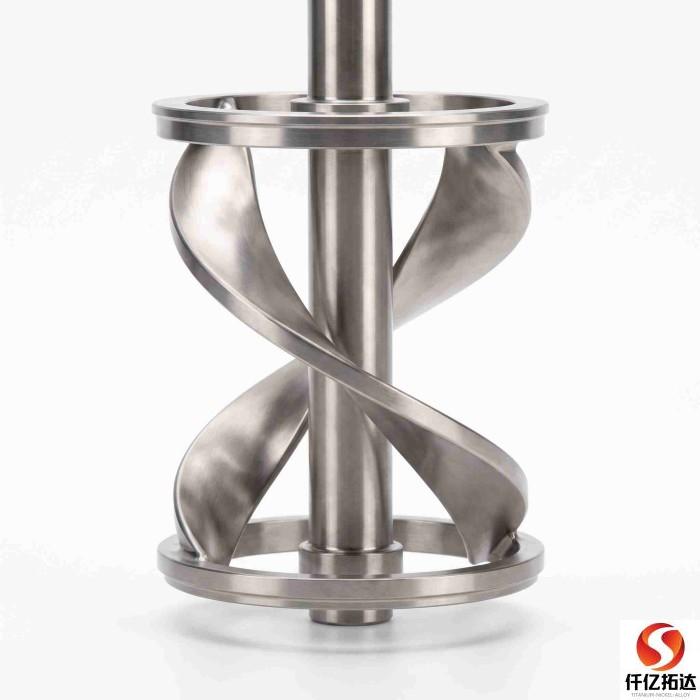
| Bar / rod | Zr (B493) | Hastelloy (B574) | Shafts, agitators |
| Fittings / flange | Zr (B366/B16.5) | Hastelloy (B366/B16.5) | Branch, turn, termination |
Both metals are stocked as plate, tube, bar, fittings and flange, so the form decision is independent of the metal decision. We cut and certify either from one Baoji shipment, which lets you keep one grade logic and one certificate pack even when a single line mixes zirconium and Hastelloy per stream.
5. Standard & Certification You Receive
Each lot ships with an EN 10204 3.1 mill test certificate, heat-number traceable to the melt — ASTM B551/B523 (zirconium) or B575/B622 (Hastelloy) as applicable. Condition is solution-annealed per spec; PMI, UT or dye-penetrant can be added on the order. For a mixed line we kit zirconium and Hastelloy from one shipment with one certificate pack.
6. The “One Metal Solves Everything” Myth
Hastelloy is not “better than zirconium everywhere.” In pure boiling hydrochloric acid zirconium is fully resistant and usually cheaper, so over-specifying Hastelloy wastes budget. Conversely, zirconium is not a drop-in for Hastelloy where an oxidiser or wet chlorine dominates. Match the metal to the medium — see our zirconium HCl and zirconium sulfuric notes for the reducing side, and Hastelloy C-276 vs C-22 for the alloy detail.
7. Where Each Metal Loses — the Head-to-Head
Zirconium’s strength is its reducing-acid film; its limits sit exactly where that film breaks down. Read the failure map, then the joint notes.
| Medium / condition | What fails / the limit | Use instead / action |
|---|---|---|
| Boiling HCl, all concentrations | Zirconium: excellent | Hastelloy: excellent (but pricier) |
| Wet Cl2 / free halogen + oxidiser | Zirconium: marginal | Hastelloy C-276 / C-22: excellent |
| Mixed oxidising + reducing acid | Zirconium: watch per case | Hastelloy: excellent |
| Concentrated nitric / strong oxidiser | Zirconium: attacked | Hastelloy C-22: better (still verify) |
| Hydrofluoric acid / fluoride | Zirconium: attacked | Hastelloy: attacked (both fail) |
| Concentrated hot caustic | Zirconium: attacked | Hastelloy: attacked (use nickel) |
| Air service above ~540°C | Zirconium: oxidises / can burn | Hastelloy: better oxidation resistance |
The head-to-head is decided by one word: oxidiser. Pure reducing acid → zirconium wins on cost and resistance; any free halogen, nitrate, ferric or cupric ion that turns the medium oxidising → Hastelloy C-276 / C-22 takes over. Hydrofluoric acid and hot caustic defeat both, so they are not the answer to each other — they are two answers to the reducing-acid question, with Hastelloy covering the oxidising edge.
8. Choose by Service, Not by Habit
Choose this if:
- Pure boiling HCl or H2SO4 (to ~60%) → zirconium.
- Acetic, formic, phosphoric (pure, reducing) → zirconium.
- Budget leads and the medium is reducing → zirconium.
- You want the lowest $/m² for pure HCl → zirconium.
Choose that if:
- Wet chlorine / free halogen + oxidiser → Hastelloy C-276 / C-22.
- Mixed oxidising + reducing acid → Hastelloy.
- Nitric-containing or ferric-laden stream → Hastelloy C-22.
- One metal must cover many different services → Hastelloy (broader).
Specify by stream, not by habit. A plant that runs boiling HCl in one tower and chlorinated oxidising acid in the next should use zirconium in the first and Hastelloy in the second, not one metal forced across both. Splitting by service is cheaper than over-specifying Hastelloy everywhere, and safer than under-specifying zirconium into wet chlorine.
9. Common Procurement Mistakes
- Specifying zirconium into wet chlorine with an oxidiser — use Hastelloy.
- Over-specifying Hastelloy for pure HCl — zirconium is cheaper and fully resistant.
- Forgetting fluoride — both metals fail; use Monel.
- Using zirconium in concentrated hot caustic — use Ni200 / Ni201.
- No MTC on a pressure part.
10. Lead Time, MOQ & Export Packing
Zirconium is held in Baoji across plate, tube, bar, wire, fittings and flange, cut to size and dispatched fast for standard sizes. Heavy-wall tube, large forged flange or special tempers lead a few weeks. Small MOQ applies — a single plate, one spool or a set of flanges is a normal order, and we kit the whole line from one shipment with one certificate pack.
11. Zirconium / Hastelloy vs the Alternatives
| If the service is… | Then… |
|---|---|
| HF / fluoride service | Use Monel 400 / pure nickel; both fail here. |
| Concentrated hot caustic | Use Ni200 / Ni201; both are attacked. |
| Seawater / chloride, low acid | Titanium Gr2 / Gr7 is far cheaper and usually enough. |
| Very high purity above both envelopes | Tantalum (for HCl) — use only where both are exceeded. |
| You want one metal for everything | No such metal — see our matrix and split by stream. |
Where these metals actually go: Zirconium builds HCl-recovery and pickling units and sulfuric concentrators; Hastelloy builds wet-chlorine and mixed-acid equipment, scrubbers and reactors; and we kit both into one line so each stream gets the right metal. We also supply titanium and the full nickel family — including nickel tube and nickel plate — so a corrosion line can be split by fluid, not by habit, and the whole plant ships under one certificate pack.
12. Welding & Joining Note
Both weld by GTAW, but the details differ. Zirconium needs argon backing gas on BOTH sides of tube and pipe or the root turns brittle; Hastelloy needs a tight interpass-temperature window and often a controlled heat input to avoid sensitising the HAZ, but no double purge. Keep both joints clean. We supply matching filler (ERZr2/ERZr4; ERNiCrMo-4 for C-276, ERNiCrMo-22 for C-22) and a qualified WPS note so either seam lands ductile and long-lived.
13. Reading the Mill Test Certificate
Every lot ships with an EN 10204 3.1 MTC: grade and UNS, heat number, chemistry, tensile result, and the ASTM specification (B551/B523 for zirconium, B575/B622 for Hastelloy). Keep the heat number — it is your traceability link from the finished part back to the melt, and the field an auditor checks first.
14. Why a Baoji Titanium-Valley Stockist
We hold zirconium together with Hastelloy and the nickel family in Baoji, close to China’s Titanium Valley supply base, which means we can cut, forge and kit a mixed corrosion line — zirconium for the worst reducing acid, Hastelloy for the oxidising or mixed stream — from one shipment. That shortens lead time from mill-weeks to days and keeps one grade logic, one certificate pack, one point of contact. Our guide explains the stock-holder model for overseas buyers.
Why Source This From Us
The real saving is not picking the cheaper metal — it is sourcing both from one place so the plant stays in one grade logic, one certificate pack and one lead time. From Baoji, at the edge of China’s Titanium Valley, we hold zirconium (Zr702 / Zr705) together with Hastelloy C-276 / C-22 and the wider nickel family, cut to size and certified:
- One shipment: zirconium for the worst reducing acid, Hastelloy for the oxidising or mixed stream — kitted together, heat-number traceable.
- One cert pack: EN 10204 3.1 MTC, WPS / PQR where welded, NDE as specified, to ASTM B551/B523 (zirconium) or B575/B622 (Hastelloy).
- We read your P&ID: tell us the fluid, concentration, temperature and contaminants and we return the grade split, not a quiz.
- Cut-to-size, no mill minimum: a single plate, one spool or a set of fittings is a normal order.
- Export-ready: VCI protection, seaworthy crating, documents for global customs.
- Fast: stock sizes dispatch the same day; non-stock on a firm quoted lead time.
Send the RFQ below with your fluid and contaminants — we confirm stock and pricing within 24 hours.
15. A 5-Minute RFQ Template
Copy this into your enquiry and fill the blanks — it returns a quote, not a guessing game:
- Product: Zirconium vs Hastelloy C-276 / C-22, grade ___
- Service: acid(s) ___, concentration ___, temperature ___, contaminants (F⁻ / Fe³⁺ / HNO3 / Cl2) ___
- Metal preference: zirconium / Hastelloy / advise ___
- Spec: ___ (ASTM / ASME)
- Size: ___ ; quantity ___
- Condition / finish: ___
- Certificate: EN 10204 3.1, UT/PMT if needed
- Destination & packing: port ___, VCI / crate
Email it to [email protected], or use our inquiry form. We confirm stock and pricing within 24 hours; stock sizes can dispatch the same day, and fabricated items ship on a firm lead time we quote up front. Either way the whole line is kitted from one Baoji shipment so grade and certificate stay consistent end to end.
16. FAQ — Zirconium vs Hastelloy C-276 / C-22
Which is better, zirconium or Hastelloy C-276?
Neither is universally better. For pure boiling hydrochloric or sulfuric acid, zirconium is fully resistant and usually cheaper. For services with an oxidiser — wet chlorine, free halogen, nitric or ferric contamination, mixed acid — Hastelloy C-276 / C-22 wins because its film holds in both regimes.
Is zirconium cheaper than Hastelloy for HCl?
Usually yes, for pure reducing hydrochloric acid zirconium is the lower-cost fully-resistant option. Hastelloy is justified when an oxidiser or mixed medium is also present, where its broader envelope earns the premium.
When should I choose Hastelloy over zirconium?
Choose Hastelloy C-276 / C-22 when the stream carries wet chlorine or a free halogen with an oxidiser, nitric or ferric contamination, or is a mixed oxidising-plus-reducing acid. Zirconium is marginal or wrong in those cases.
Does zirconium resist wet chlorine?
Marginally at best — zirconium’s strength is reducing acid, and wet chlorine with an oxidiser can attack it. For chlorinated oxidising service step to Hastelloy C-276 / C-22.
What about hydrofluoric acid for both metals?
Both fail in hydrofluoric acid and fluorides. For HF service use Monel 400 or pure nickel; neither zirconium nor Hastelloy is the right call.
Can I mix zirconium and Hastelloy in one plant?
Yes, and it is common: zirconium for the worst reducing acid, Hastelloy for the oxidising or mixed stream, split per service. Mind galvanic coupling and isolate where a critical partner is much baser.
Do you stock both and export worldwide?
Yes. We hold zirconium (Zr702 / Zr705) and Hastelloy (N10276 / N06022) in Baoji, cut to size with full EN 10204 3.1 MTC and export packing, to global ports.
Summary: One Rule Beats a Catalogue
If you take one thing from this guide, take this: specify the metal for the fluid, not just the word “corrosion-resistant,” and treat every joint as a system. Zirconium vs Hastelloy C-276 / C-22 covers choosing between zirconium and Hastelloy C-276 / C-22, and it should never be specified where the failure map says no. The fastest next step is concrete: copy the RFQ template above, or open our inquiry form, and send your medium, concentration, temperature and drawing. We confirm stock and pricing within 24 hours — stock sizes dispatch the same day.
Tell us your requirement — grade, size and quantity. We reply within 24 hours.
Prefer chat? WhatsApp +86 188 2967 9311 or email [email protected].


- Titanium Price Today (17 Nov 2026): Plate, Tube, Rod, Wire
- Titanium Prices 13 Nov 2026: Plate, Tube, Rod, Wire, Sponge
- Titanium Price Today (11 Nov 2026): Plate, Tube, Rod & Wire
- Titanium Price Today (9 Nov 2026): Plate, Tube, Rod & Wire
- What is Titanium Flange | ASME B16.5 ASTM B381 Gr2 Gr5 Titanium Flan
Contact Person: Wang Xiaoning
Tel: +86-917-355-7966
Email: [email protected]
WhatsApp: +86 188 2967 9311
Company: Shaanxi Qianyi Tuoda Technology Co., Ltd
Address: Floor 4, Building 4, No. 188 Gaoxin Avenue, High-tech Zone, Baoji City, Shaanxi Province, China