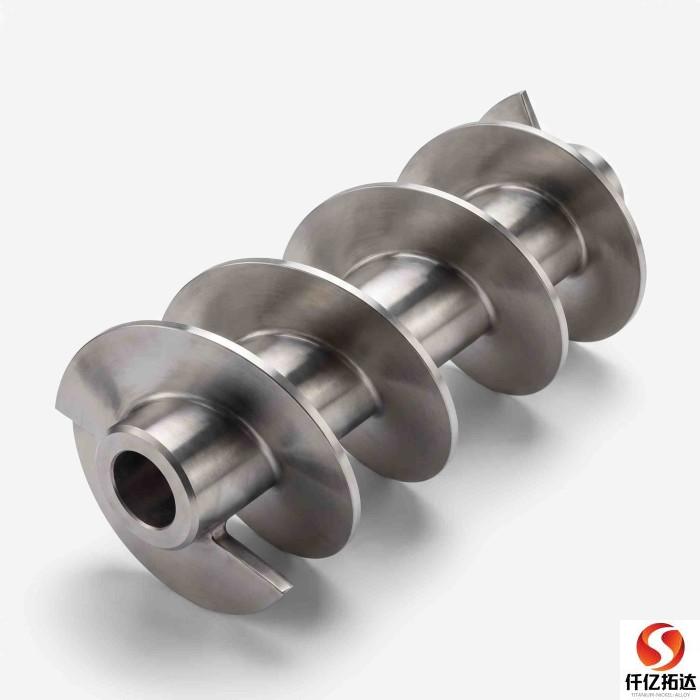
Zirconium Products: Zr702 vs Zr705
| Specification | Product: Zirconium Zr702 / Zr705 |
|---|---|
| Applicable Standard | Covers: plate, tube, bar, wire, fittings, flange, forged |
| Material Condition | Standard: ASTM B551, B523, B658, B493, B366, ASME B16.5 |
| Inspection & Packaging | Service: boiling HCl/H2SO4, acetic, pharma, nuclear, chlor-alkali |
Product Description: Zirconium Zr702 vs Zr705 product guide: plate, tube, bar, wire, fittings. Boiling HCl/H2SO4 resistance, ASTM B551/B523/B658, failure limits, RFQ checklist
Product Overview
Zirconium Products: Zr702 vs Zr705 — 锆产品 Zr702 / Zr705 采购指南
If your process dissolves Hastelloy in boiling hydrochloric or sulfuric acid, zirconium (Zr702 / Zr705) is the metal that survives where almost everything else fails — it resists boiling HCl at every concentration and stays intact to about 250°C in most reducing acids, at a fraction of the cost of tantalum. Zirconium is a reactive metal whose ultra-stable oxide film shrugs off the most aggressive reducing acids used in HCl recovery, H2SO4 concentration, acetic and pharma service, while staying clean enough for nuclear and food contact. We stock both grades across plate, tube, bar, wire, fittings and flange in Baoji, cut and shipped with full mill certificate, so you specify the grade for the fluid instead of guessing. This guide covers what each grade does, which ASTM applies to each form, where zirconium actually fails, and how to write an RFQ that returns a usable quote.
The reason a product guide beats a catalogue is simple: a corrosive line is plate shells, tube bundles, bar-made shafts and fittings from one grade system — specifying them consistently is what keeps a plant leak-free for decades. Below, zirconium gets its own section, then the shared failure map and one selection rule. For the alloy picture across nickel, titanium and zirconium, see our materials materials coverage; if you also run nickel lines, our nickel nickel hub explains the family.
At a Glance: Zirconium Products: Zr702 vs Zr705
| Form | Common grades | Standard | Typical sizes / service |
|---|---|---|---|
| Plate / sheet / strip | Zr702, Zr705 | ASTM B551 | Thk 0.5–50 mm, width to 2000 mm |
| Seamless / welded tube | Zr702, Zr705 | ASTM B523 (tube), B658 (pipe) | OD 6–219 mm, wall 0.5–12 mm |
| Bar / rod / billet | Zr702, Zr705 | ASTM B493 | Dia 6–300 mm, forged or rolled |
| Wire | Zr702 | ASTM B551 (drawn) | 0.05–10 mm, spool |
| Fittings | Zr702, Zr705 | ASTM B366 (WPZR / WPZR-Nb) | Elbow, tee, reducer, cap |
| Forged flange | Zr702, Zr705 | ASTM B551/B493 + ASME B16.5 | 1/2–24 in, weld-neck / slip-on |
1. What 锆产品 Zr702 / Zr705 采购指南 Actually Is (and Why Buyers Confuse It)
Zirconium is a reactive metal protected by an exceptionally stable, self-healing zirconia (ZrO₂) film. In reducing acids that film is almost inert: zirconium resists hydrochloric acid at all concentrations to the boiling point and sulfuric acid across a very wide range, behaviour titanium and most nickel alloys cannot match. Zr702 is commercially pure zirconium (~99.2% Zr+Hf, low oxygen); Zr705 adds about 2.5% niobium and more oxygen for roughly 50% higher strength with essentially the same acid resistance. We treat zirconium like any other corrosion metal — plate, fittings and flange planned from one grade system so the whole line stays consistent.
2. Grade Quick-Reference — Zr702 vs Zr705
| Grade | Composition | Use it for |
|---|---|---|
| Zr702 (R60702) | ~99.2% Zr+Hf, low O | Boiling HCl/H2SO4; max corrosion resistance & formability |
| Zr705 (R60705) | ~95.5% Zr+Hf, 2.5% Nb | Same acids, ~50% higher strength, thinner walls |
| 702 vs 705 | 705 adds Nb + O | 705 for strength/pressure; 702 for forming & lowest cost |
| Cross-check | — | See titanium Gr7 or Hastelloy for the acid choice |
For the full material picture — zirconium, titanium and nickel side by side — see our alloy matrix matrix. If the service is reducing acid but milder, our titanium titanium guide explains the cheaper option.
3. How to Read a Zirconium Products
: Zr702 vs Zr705 RFQ
A usable quote starts with a usable request. Put these on the enquiry so we return price and lead time instead of questions:
- Grade — Zr702 or Zr705 (UNS R60702 / R60705).
- Spec — B551 (plate), B523 (tube), B658 (pipe), B493 (bar), B366 (fittings).
- Size — OD / thickness / length / diameter, quantity.
- Condition — annealed; tolerance class.
- Ends — plain, bevelled, or forged flange.
- Certificate — EN 10204 3.1 MTC with heat number.
- Service — acid concentration, temperature, contaminants (esp. fluoride).
- Weld prep — confirm argon backing; we supply matching filler.
4. Zirconium Products
: Zr702 vs Zr705 Forms, Sizes & What to Specify
| Form | Typical size | Where it goes |
|---|---|---|
| Plate / sheet | Thk 0.5–50 mm | Reactor shells, tube sheets, liners, trays |
| Tube / pipe | OD 6–219 mm | Heat-exchanger bundles, transfer lines |
| Bar / rod | Dia 6–300 mm | Shafts, agitators, machined parts |
| Fittings / flange | per B16.5 / B16.9 | Branch, turn, termination of the line |
5. Standard & Certification You Receive
Each lot ships with an EN 10204 3.1 mill test certificate, heat-number traceable to the melt, to ASTM B551/B523/B658 as applicable. Condition is annealed per spec, and PMI, UT or dye-penetrant can be added on the order. For fabrications we kit the matching fittings and flange from one shipment.
6. The “One Metal Solves Everything” Myth
Zirconium is not a universal acid metal — hydrofluoric acid and fluorides destroy it, and it is not a high-temperature alloy (it oxidises above ~540°C in air). For those services step to Monel / nickel or Inconel. Zirconium owns boiling reducing acids; match the grade to the actual fluid.
7. Where Zirconium Products
: Zr702 vs Zr705 DOES Fail — Limitation & Failure Conditions
Zirconium's strength is its reducing-acid film; its limits sit exactly where that film breaks down. Read the failure map, then the joint notes.
| Medium / condition | What happens | What to do |
|---|---|---|
| Hydrofluoric acid / fluoride ions | Zirconium is attacked by HF and fluorides — like titanium, this is an absolute exclusion. | For HF use Monel 400 or pure nickel; never zirconium. |
| Concentrated hot caustic (NaOH / KOH) | Attack rises sharply with concentration and temperature. | For caustic use Ni200 / Ni201; zirconium is the wrong call. |
| Strongly oxidising media (conc. nitric, wet chlorine with free halogen + oxidiser) | Zirconium's strength is reducing acid; oxidisers can passivate or attack it. | Step to titanium Gr7 or Hastelloy C-276 / C-22 and verify per case. |
| Air / oxidising gas above ~540°C (severe >800°C) | Zirconium oxidises and can burn reactively; it is NOT a high-temperature alloy. | For heat use Inconel 600 / 625; zirconium stays a corrosion (moderate-temp) metal. |
| Molten metals & heavy-metal contamination | Certain molten metals and surface contaminants attack or embrittle it. | Keep zirconium out of molten-metal contact and contamination. |
| Galvanic coupling to a much baser metal | Zirconium is noble when passive; the baser partner corrodes fast. | Isolate with a dielectric spacer if the partner is critical. |
| Dry halogen gases at elevated temperature (Cl₂, F₂) | Attack accelerates hot and dry; wet reducing halogen is usually fine. | Evaluate per service; for hot dry halogens use a lined or alternative system. |
Two joint-specific notes. Zirconium is noble when passive, so coupling it directly to a much baser metal (carbon steel, aluminium) without isolation can accelerate the partner — use a dielectric spacer where the partner is critical. And never forget fluorine: any fluoride, even trace, is an exclusion, so confirm the medium is fluoride-free before you specify zirconium.
8. Choose by Service, Not by Habit
Choose this if:
- Boiling HCl or H2SO4 at any concentration → zirconium.
- Acetic, formic, phosphoric (reducing) and pharma-clean service → zirconium.
- You need higher strength / thinner wall at the same resistance → Zr705.
Choose that if:
- Service contains HF or fluoride → Monel / nickel (zirconium fails).
- Concentrated hot caustic → Ni200 / Ni201.
- Strong oxidiser or mixed acid → Hastelloy C-276 / C-22.
- Mild duty or seawater → titanium Gr2 / Gr7 is far cheaper.
9. Common Procurement Mistakes
- Using zirconium in hydrofluoric acid — rapid attack; use Monel.
- Specifying it for high-temperature air service — it oxidises/burns; use Inconel.
- Confusing Zr702 and Zr705 on the RFQ (strength differs ~50%).
- No MTC on a pressure part.
- Welding without argon backing — brittle, corroding weld.
10. Lead Time, MOQ & Export Packing
Zirconium is held in Baoji across plate, tube, bar, wire, fittings and flange, cut to size and dispatched fast for standard sizes. Heavy-wall tube, large forged flange or special tempers lead a few weeks. Small MOQ applies — a single plate, one spool or a set of flanges is a normal order, and we kit the whole line from one shipment with one certificate pack.
11. Zirconium vs the Alternatives — When NOT to Specify Zirconium
| If the service is… | Then… |
|---|---|
| Mild, room-temperature, non-critical | Titanium Gr2 is far cheaper and usually enough. |
| Seawater / chloride, low acid | Titanium Gr2 / Gr7 covers most chloride duty at lower cost. |
| Hydrofluoric acid / fluoride | Use Monel 400 / pure nickel; zirconium fails here. |
| Concentrated hot caustic | Use Ni200 / Ni201; zirconium is attacked. |
| Strong oxidiser / mixed acid | Step to Hastelloy C-276 / C-22; zirconium may be the wrong call. |
| High-temperature air service | Inconel 600 / 625 holds; zirconium oxidises above ~540°C. |
| You want one metal for everything | No such metal — match grade to fluid; see our matrix. |
12. Welding & Joining Note
Zirconium welds readily but is unforgiving: any oxygen or surface contamination during welding produces a hard, brittle, badly corroding joint. Specify filler matching zirconium filler wire, strict argon shielding both sides; follow a qualified WPS with argon backing gas on both the inside and outside of tube and pipe, and keep the joint and wire scrupulously clean. We supply the matching wire and forming notes so the weld stays in grade — a contaminated zirconium weld is the single most common field failure, so do not skip the purge.
13. Reading the Mill Test Certificate
Every lot ships with an EN 10204 3.1 EN 10204 3.1 MTC: grade and UNS, heat number, chemistry (including hafnium, which affects nuclear grade), tensile result, and the ASTM specification. Keep the heat number — it is your traceability link from the finished part back to the melt, and it is what lets an auditor confirm the grade years later. For project work ask for PMI or UT on the order so the certificate matches the actual piece.
14. Why a Baoji Titanium-Valley Stockist
We hold zirconium together with titanium titanium and nickel nickel in Baoji, close to China’s Titanium Valley supply base, which means we can cut, forge and kit a mixed corrosion line from one shipment instead of chasing several mills. That shortens lead time from mill-weeks to days and keeps one grade logic, one certificate pack, and one point of contact for your whole order. Our materials guide explains the stock-holder model for overseas buyers.
15. A 5-Minute RFQ Template
Copy this into your enquiry and fill the blanks — it returns a quote, not a guessing game:
- Product: Zirconium Products: Zr702 vs Zr705, grade ___
- Spec: ___ (ASTM / ASME)
- Size: ___ ; quantity ___
- Condition / finish: ___
- Certificate: EN 10204 3.1, UT/PMT if needed
- Service: medium ___, concentration ___, temperature ___, pressure ___ (confirm fluoride-free)
- Destination & packing: port ___, VCI / crate
Email it to [email protected] — we confirm stock and pricing within 24 hours, and can kit the whole line from one Baoji shipment so grade and certificate stay consistent end to end.
16. FAQ — Zirconium Products
: Zr702 vs Zr705
When should I specify zirconium instead of Hastelloy or titanium?
Specify zirconium when the medium is a strong reducing acid — especially boiling hydrochloric or sulfuric acid at all concentrations — and titanium or 316L cannot hold. It resists those acids where Hastelloy eventually yields, and it costs far less than tantalum.
What is the difference between Zr702 and Zr705?
Zr702 is commercially pure zirconium (~99.2% Zr+Hf); Zr705 adds about 2.5% niobium and more oxygen for roughly 50% higher strength with the same acid resistance. Pick Zr705 when you need thinner walls or higher pressure; Zr702 when formability and cost lead.
Does zirconium resist hydrochloric acid?
Yes — zirconium resists hydrochloric acid at all concentrations and to the boiling point, which is its headline advantage over titanium and most nickel alloys. The one acid it cannot take is hydrofluoric acid.
What ASTM covers zirconium plate versus tube?
ASTM B551 for plate, sheet and strip; B523 for seamless and welded tube; B658 for pipe; B493 for bar, rod and billet; B367 for castings. Fittings follow ASTM B366 and flanges are machined to ASME B16.5 from B551/B493 stock.
Where does zirconium fail?
It fails in hydrofluoric acid and fluorides, concentrated hot caustic, strongly oxidising media, and any service above roughly 540°C in air (it oxidises and can burn). For those, step to Monel, nickel, Hastelloy or a high-temperature nickel alloy.
What welding filler and shielding does zirconium need?
Use matching zirconium filler wire and weld under strict argon shielding on both sides; any oxygen or surface contamination causes a hard, brittle, corroding weld. We supply the matching filler and a qualified WPS note.
Do you export zirconium products worldwide?
Yes. Baoji stock to global ports with VCI protection, crating and full EN 10204 3.1 MTC and shipping documents.
Summary: One Rule Beats a Catalogue
If you take one thing from this guide, take this: specify zirconium for the fluid, not just the word “corrosion-resistant,” and treat every joint as a system. Zirconium Products: Zr702 vs Zr705 is the right call for boiling reducing acids — and never specify it where the failure map says no. Send the checklist above to [email protected] or use the inquiry form — we confirm stock and pricing within 24 hours, and can kit plate, tube, bar, wire, fittings, flange and fasteners for your whole line from one Baoji shipment.
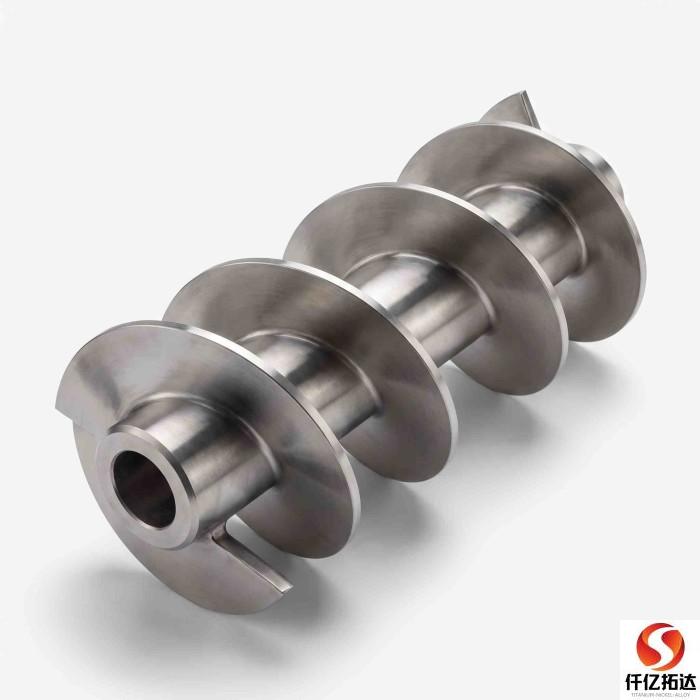
Tell us your requirement — grade, size and quantity. We reply within 24 hours.
Prefer chat? WhatsApp +86 188 2967 9311 or email [email protected].


- Titanium Price Today (17 Nov 2026): Plate, Tube, Rod, Wire
- Titanium Prices 13 Nov 2026: Plate, Tube, Rod, Wire, Sponge
- Titanium Price Today (11 Nov 2026): Plate, Tube, Rod & Wire
- Titanium Price Today (9 Nov 2026): Plate, Tube, Rod & Wire
- What is Titanium Flange | ASME B16.5 ASTM B381 Gr2 Gr5 Titanium Flan
Contact Person: Wang Xiaoning
Tel: +86-917-355-7966
Email: [email protected]
WhatsApp: +86 188 2967 9311
Company: Shaanxi Qianyi Tuoda Technology Co., Ltd
Address: Floor 4, Building 4, No. 188 Gaoxin Avenue, High-tech Zone, Baoji City, Shaanxi Province, China